Strengthen Autism Immunity: Boosting Your Child’s Health Resilience
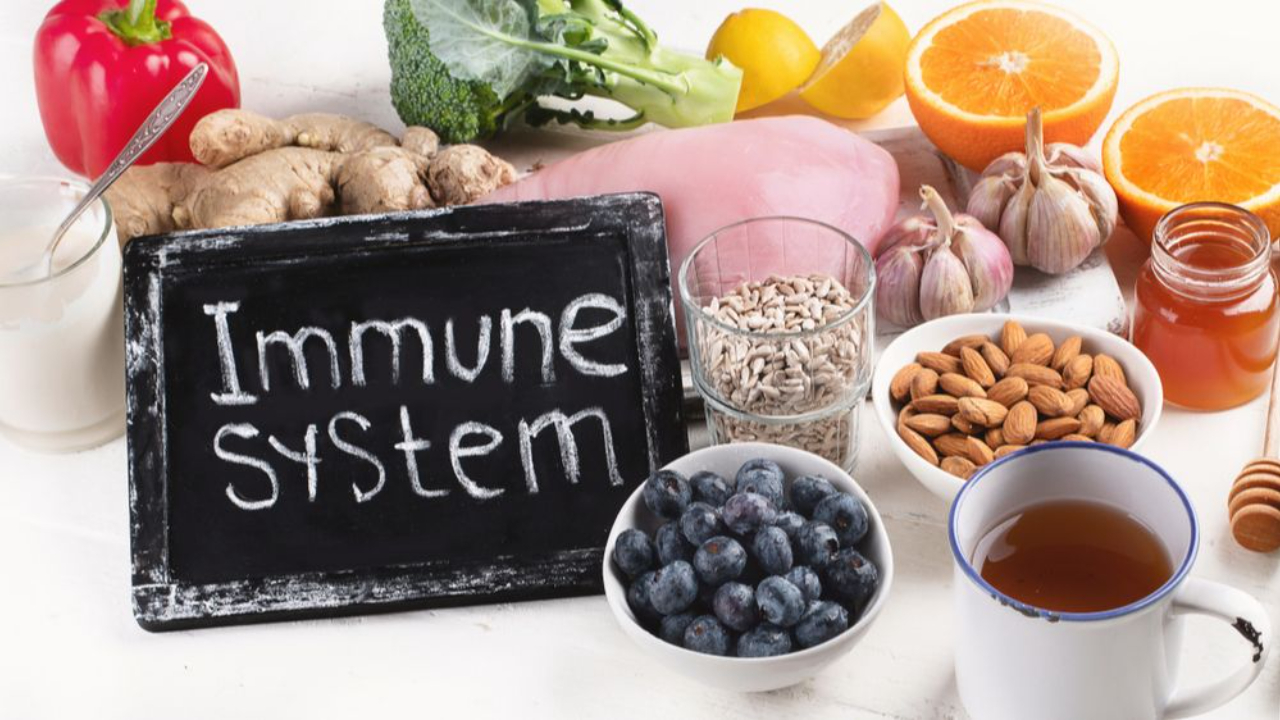
ASD is linked to immune variations, with studies showing higher inflammation markers like cytokines. This can lead to frequent colds, slow recovery, or chronic fatigue, possibly due to atypical immune responses in the thymus or spleen.
Biochemically, low vitamin D levels impair immune cell function, while gut dysbiosis—common in ASD—disrupts immune regulation. Oxidative stress can further weaken defenses, increasing susceptibility.
The Impact of Immune Challenges
Frequent infections may disrupt school attendance, while allergies or fatigue can affect mood and energy. Chronic inflammation might exacerbate behavioral issues, creating a health-behavior loop.
Poor immune health can strain the gut-brain axis, amplifying ASD symptoms.
Nutrition and Biochemistry for Immune Strength
Functional medicine ties nutrition to immunity and often looks to nutritional supplementation to fill gaps in nutrition:
- Vitamin D: Enhances immune cells.
- Zinc: Supports infection resistance.
- Probiotics: Balance gut immunity.
- Multivitamin Mineral: Support Neurodevelopment and overall immune health.
Lifestyle Strategies to Boost Immunity
- Balanced Diet: Include fruits, vegetables, and lean proteins.
- Sleep Hygiene: Ensure 8-10 hours nightly.
- Outdoor Time: Promote vitamin D via sunlight.
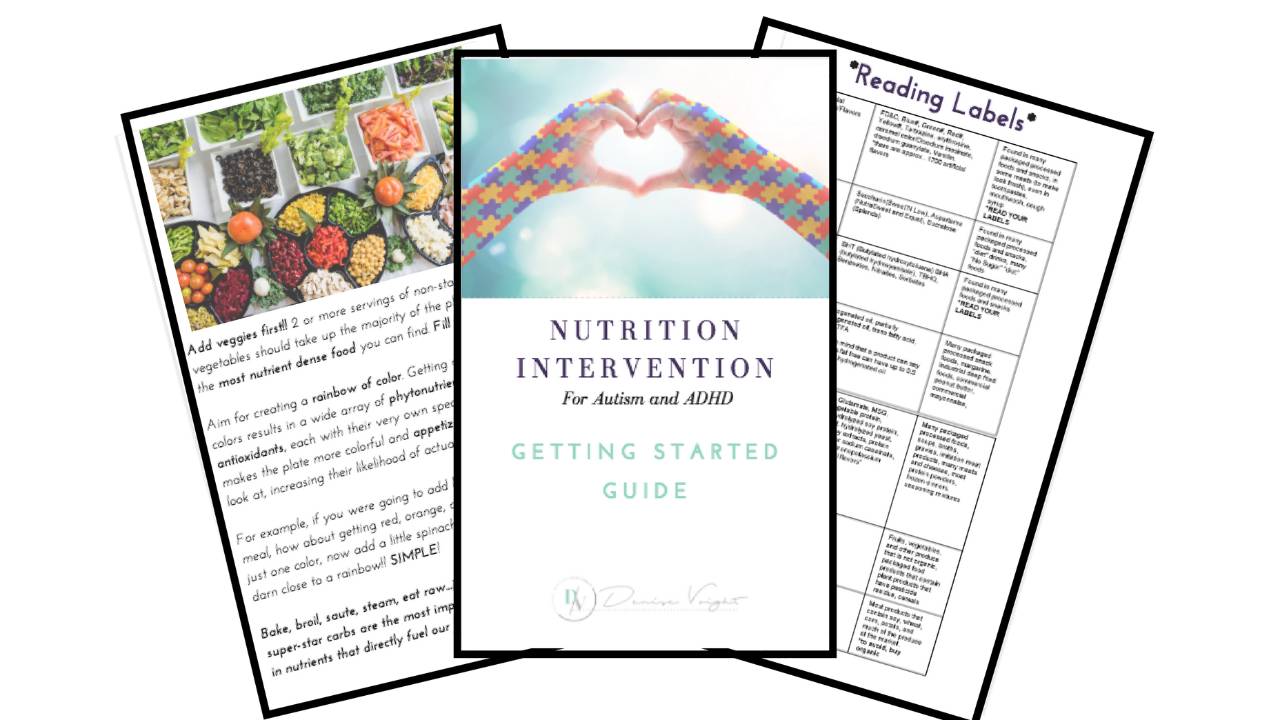
- Nutritional Plan: Enroll in the Nutrition Intervention for Autism and ADHD Online Program for targeted nutrition protocols to support your child's healthy immune system.
Strengthen your child’s immunity with these tips! Interested in more functional nutrition tips? Download your FREE Nutrition Intervention for Autism and ADHD Getting Started Guide.